In an era where digital transformation is not only welcomed but expected, healthcare isn’t left behind. As a prescribing clinician, unnecessary paperwork and manual processing consumed both my private practice and my administrative staff. We were immersed in these inefficiencies and dedicated valuable time and resources that could be better used in patient care. Electronic private prescriptions software has completely changed that with reduced workload for all of us. I have tried numerous solutions in the past, using software built by IT professionals who didn’t understand my work or that forced me to use a specific pharmacy. These limitations often impeded the efficiency and flexibility of my practice until I discovered e-Private Prescription software. Clinicians built e-Private Prescription software to be used by clinicians, offering a solution where prescriptions can be sent to any participating pharmacy. This ensures freedom and flexibility in choosing where prescriptions are filled.
Unmatched Efficiency
Every prescribing clinician is familiar with the cumbersome, time-consuming process of traditional prescription management. E-Private Prescription, has turned the tables, offering a streamlined, efficient, and user-friendly interface. I can swiftly input data to create, manage, and transmit prescriptions with unprecedented ease using the E-Private Prescriptions software. The software ensures that patients receive their prescriptions without delay thereby enhancing the overall experience for both patients. I send my e-prescriptions to partner pharmacies who prioritise my prescriptions and give a great service to my private patients. That means that my patients get the same great service as my private clinic provides.
Cost and time saving
I no longer have to worry about posting the original prescription to different pharmacies as e-Private Prescription carries an Advanced Electronic Signature. This feature means that a prescription it generates is as valid in the UK as one carrying an ink signature. The Royal Pharmaceutical Society endorses electronic private prescriptions software using an Advanced Electronic Signature, making it acceptable to all pharmacies.
A complete audit trail means that there is no such thing as lost prescriptions and the need for duplication. I can remember the days of handwriting private prescriptions and not knowing what happened to them afterwards. Now, a quick glance at a screen lets me see if and when pharmacies have dispensed my electronic private prescriptions. The administrative staff have more free time on their hands to focus on important tasks instead of chasing lost or missing prescriptions. My patients also give me glowing comments about the participating pharmacists who get their medication to them in a timely-fashion. Convenience in healthcare and improved patient experience is absolutely possible!
The ability to send electronic private prescriptions has transformed by my remote consultations. I can send prescriptions to my patients wherever they are in the UK. The partner pharmacies that I use can even deliver the medication directly to the patient’s home make life easier.
Robust Security
In the world of healthcare, the security of sensitive data is paramount. E-Private Prescription software boasts robust, world-class security protocols ensuring that every piece of data is encrypted, stored, and transmitted securely. Every prescription is traceable creating a complete audit trail, making discrepancies and errors virtually non-existent. As a clinician, the confidence that comes with the knowledge that patient information is impervious to unauthorised access is priceless.
Real-time Updates and Accessibility
Clinicians often face challenges with accessibility and receiving real-time updates in prescription management. The e-Private Prescription software’s cloud-based system affords instant, anytime-anywhere access. As a doctor, this flexibility ensures that I can manage prescriptions whether I am in my office or travelling. This flexibility translates into enhanced patient care, as the prescriptions are always accessible at the touch of a button.
e-Private Prescription software: Innovation at Its Finest
In the competitive landscape of electronic prescription software, innovation is often the dividing line. E-Private Prescription software is perpetually evolving, integrating the latest technologies to offer more features, enhanced security, and superior user experience. The company that created the software is E-Health Solutions. They are proactive in taking feedback from clinicians, pharmacists and patients to continually improved their product.
Electronic private prescriptions: the verdict
In my long career, I have yet to encounter a software solution that has made as big a difference to my practice as e-Private Prescription. Every prescribing clinician seeking to elevate their practice, enhance patient satisfaction, and ensure confidentiality need not look further. In a world inundated with electronic prescription options, E-Private Prescription software unequivocally stands as the zenith.
Join me, and myriad other satisfied clinicians, in the journey to unparalleled healthcare service delivery. Electronic Private Prescription software isn’t just an option; it is the future of personalised patient care.
The Revolution of Online Private Prescriptions in the UK
In the progressive world of medical advancements and technological evolution, a dynamic shift is underway that is transforming the way you can access online private prescriptions. Say goodbye to the tiresome waits and inconvenient appointments and embrace the future. We now live in a world where getting a repeat prescription online is possible privately as well as the NHS, and is as easy as a few clicks. The inception of the system of online repeat prescriptions is not just a technological advancement, it is a lifeline, bringing medication directly to your doorstep.
Online Private Prescriptions: Your Health in Your Hands
Imagine a world where your medication needs are met with speed, efficiency, and utmost confidentiality. That’s precisely what online private prescriptions in the UK offer. Whether you’re looking for online STD treatment or want to buy antibiotics for a UTI, the power to get online prescriptions is now within your grasp. Make an online appointment with a UK doctor and avoid the unscrupulous online pharmacies that sell medication without the necessary safeguards.
Beyond the Conventional Paths
Navigating the electronic prescriptions landscape may appear complex, but in reality, it’s a breeze. Have you ever wondered, “Can I get a private prescription online or can I order a private prescription online?” The answer is a resounding yes! With services offering private online prescription refills and next day medicine delivery, getting a prescription has never been easier.
The Digital Bridge to Your Medication Needs
The process to get private prescription online is straightforward. You can receive an online diagnosis and prescription, including online birth control prescriptions (recent blood pressure measurement may be required) without stepping out of your comfort zone. It’s swift, it’s convenient, and it’s changing the game in healthcare.
Seamless, Fast, and Efficient
For those contemplating, “How do I set up an electronic prescription?” there’s no need to worry. The ease of e-prescribing software makes electronic prescriptions easy to do for the doctor. He will ensure that your medicinal needs are met with efficiency and speed. The pharmacy can deliver your medication to your home by the next day.
Private, Personalised, and Tailored
We would not recommend getting a prescription without seeing a doctor. You can get an online doctor consultation and then have the medication prescribed based on a sound diagnosis. A doctor cannot prescribe online private prescriptions for certain controlled substances, but can prescribe regular medication including online antibiotic prescribing, for example.
Embrace the Change: the future is now
With options to fill private prescription online, the revolution is here. Can a private prescription be sent electronically? Absolutely!
We are at the frontier of a healthcare transformation where the intersection of technology and medical excellence is redefining possibilities. Welcome to a world where your health and convenience converge, welcome to the future of online private prescriptions.
Say goodbye to the old ways, and embrace the empowered path of convenience, confidentiality, and choice. The future of health and wellness is a click away. Join the revolution!
The good news is that it is perfectly possible to do your own tennis elbow treatment at home. The not-so-good news is that a cure for tennis elbow can be challenging. Patience is essential in this process. There are no new treatments for tennis elbow that are proven but there are tried and tested treatment options which do work.
As described earlier, the changes in tennis elbow have developed over a long period of time and will therefore take typically months to heal. However, patient expectation tends to be the opposite as many people think that tennis elbow should get better more quickly such as over a couple of weeks. They often ask how to heal or cure tennis elbow fast which is really not possible.
1. Relative rest
Since tennis elbow is an overuse disorder then you will need to either stop the activity that caused it for a period of time or modify it so that you get relative rest.
One of the main factors that can make tennis elbow last longer is if patients continue to do the same activity which caused the tennis elbow to develop in the first place. In the case of hobbies, it might be easy to stop for a period of time to allow healing to take place. However, if that activity is related to your work, then it may be completely impractical to ask you to stop altogether. It is especially difficult if you have your own business and work by yourself.
Examples of modifications include taking regular breaks during work, using the other hand, using a lighter grip or getting help with certain tasks. Do you have a holiday coming up? That would be great because you would get complete rest from work. If you use a keyboard, then consider using speech recognition software to give your hands some rest or use the wrist supports mentioned below. All of these things will take some, but not all the strain from your muscles and tendons.
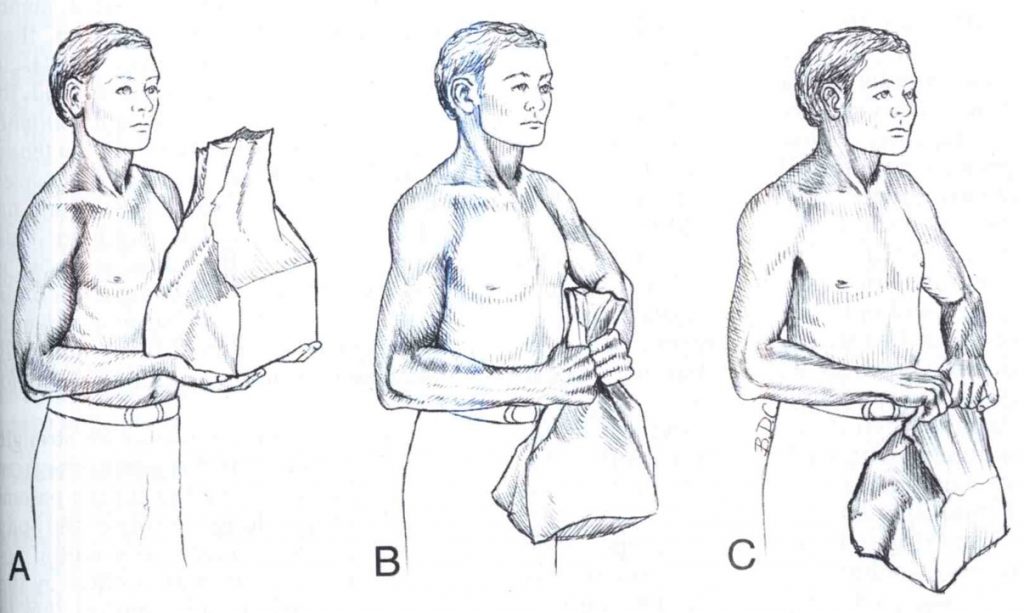
Modify the way you lift objects
A:This is the correct way to lift an object with your palms facing upwards. This allows you to use your big biceps muscles to do the lifting and avoid strain around the elbow.
B: In this diagram, the hands are held so that the palms are facing each other. You are still using the biceps a little but are now straining the smaller muscles around your elbows.
C: Now the palms are facing downwards and all the strain is being taken by the smaller muscles around the elbow. This is the worst possible position for tennis elbow and should be avoided.
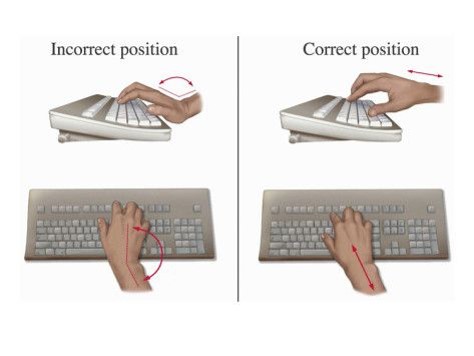
Modify the way you use a keyboard and mouse
Incorrect position:The wrist is angled upwards or to the side. This puts the muscles around the elbow under tension for long periods of time. This can cause tennis elbow or wrist pain. Sometimes it is called RSI or a Repetitive Strain Injury.
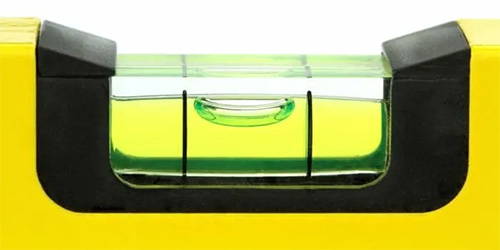
Correct position:The wrist is not angled either upwards, downwards or sideways. This prevents strain of the muscles and tendons around the elbow. You can achieve this position more easily by getting a rest for your wrists when using a keyboard and mouse.
Use a rest in order to keep your wrist level when using a keyboard or mouse. This is a really simple solution for tennis elbow if you spend long hours in front of a computer. It will keep stop you from falling into bad habits and straining your muscles and tendons. Most people also find it a more comfortable position and you will wonder why you did not use one before.
2. Take simple painkillers
Simple pain-relieving medicines can give you symptomatic relief. Examples include paracetamol and ibuprofen. These can commonly be bought over the counter.
Of course, the medicines give you temporary relief only and do not treat the underlying cause of the problem. However, they can make the pain more bearable whilst you are doing other forms of treatment. No painkiller is better than another. You should find what suits you best.
3. Do regular stretching exercises
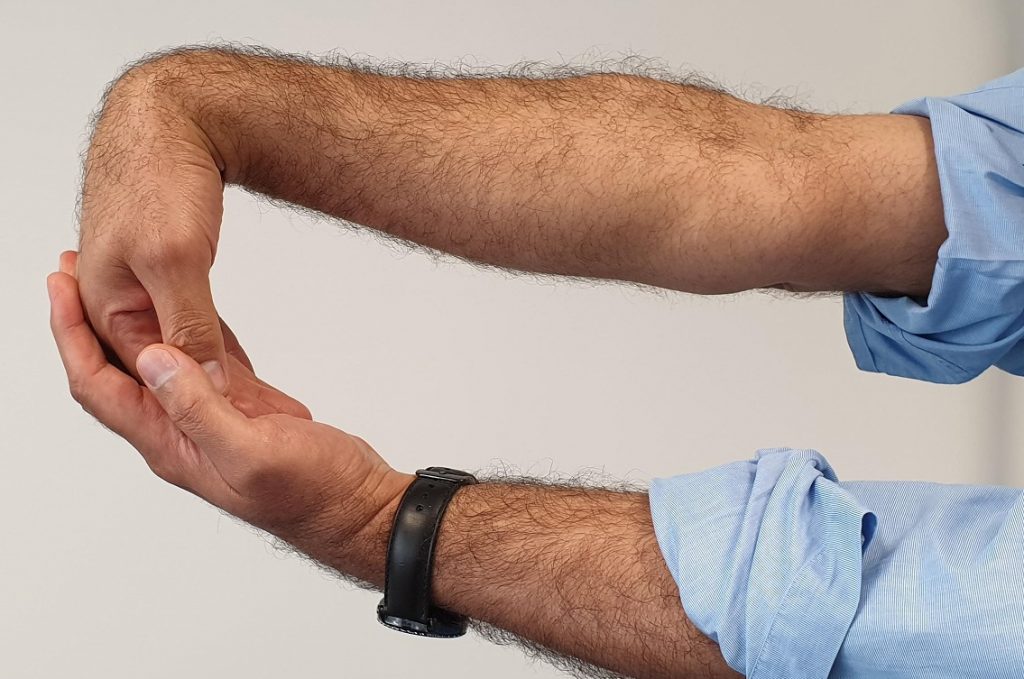
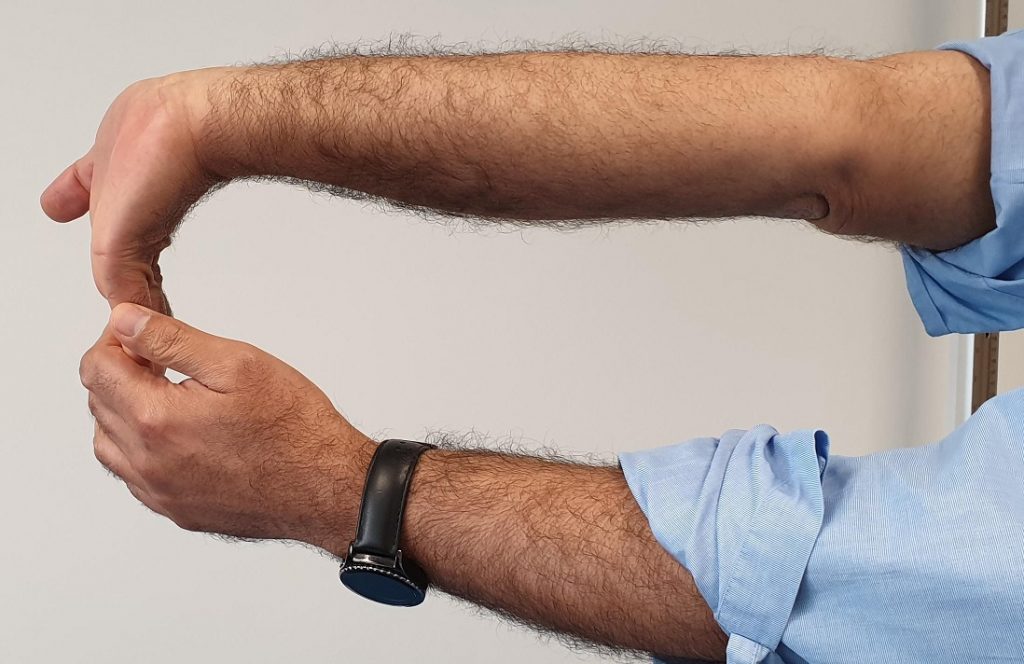
You can stretch the correct muscles and tendons affected by tennis elbow by holding your elbow straight and then flexing the wrist using your other hand. In the second diagram above, notice how the hand is also rotated inwards at the same time to get a better stretch.
Then you will need to stretch in the opposite direction and hold the wrist in extension using the other hand.
All stretches should be held for about 30 seconds and repeated 10 times. They should also be passive. This means that it is the other hand that is holding the tennis elbow arm in stretch. Applying ice for 10-15 minutes to make the area feel numb before stretching also adds to pain relief.
4. Eccentric exercise
Eccentric exercises are one of the few proven therapies for tendon pain as there is in tennis elbow.
See the video below for an eccentric exercise for tennis elbow:
This exercise involves holding a 1-3kg weight in the affected hand whilst the forearm is supported. The weight is then lowered slowly over 4-5 seconds using a wrist movement. At the bottom of the movement, you then use the other hand to lift the weight to its starting position. This is to avoid straining the affected muscles and tendons. You then lower the weight again slowly over 4-5 seconds.
This movement effectively stretches the muscles and tendons under strain from the weight held in the hand.
5. Tennis elbow massage
Using massage balls is an effective method to treat tennis elbow. Simply use a small rubber ball for this purpose. The goal is to target and massage the muscles on the side and back of the forearm associated with tennis elbow, applying extra pressure on tender areas. It is beneficial to perform this massage prior to the stretching exercises mentioned above. You can use a single massage ball or some people find that the peanut-shaped ball is more stable and easier to use. Take a look at the video below to see the technique for using massage balls.
6. Use a tennis elbow brace
A tennis elbow brace is worn around the broadest part of the forearm and not over the elbow itself. It gives temporary relief of pain whilst it is worn. It can therefore be used during the day and can be useful whilst at work. It works most likely by putting pressure on ‘trigger points’ in the affected muscles similar to acupressure. It is sometimes called a tennis elbow strap or support. Studies show that it is effective.
7. Wear a wrist splint
A wrist splint consists of a material which overlaps your wrist joint and contains a metal insert which stops the wrist from moving. Unlike a tennis elbow brace, a wrist splint is difficult to wear at work. The best time to wear it is after work and at bedtime. It works by allowing the muscles and tendons around your elbow to rest and allow healing to take place.
8. What about a steroid injection for tennis elbow?
Steroid injections are the treatment most used by doctors to treat tennis elbow. Studies show that they do give short-term relief for up to a few months.
However, evidence suggests that the problem ends up lasting much longer in people who have had injections after the initial period of relief.
Steroid injections do not treat the underlying cause. They were initially used because we thought that the problem was due to inflammation. However, we now know that this is not the case.
Summary
Tennis elbow is an overuse problem. The most important first treatment is relative rest or modification of the movements causing it.
Active treatment works best in the form of massage and stretching, plus eccentric exercises.
Passive treatment in the form of a tennis elbow brace or wrist splint works less well. These should only be used as an addition to the exercises and not relied on to work by themselves.
Steroid injections may be useful for some people for short-term relief.
Tennis elbow is an odd name to give to a problem which affects mostly people who do not play tennis! It is also called lateral epicondylitis, lateral epicondalgia or lateral elbow pain.
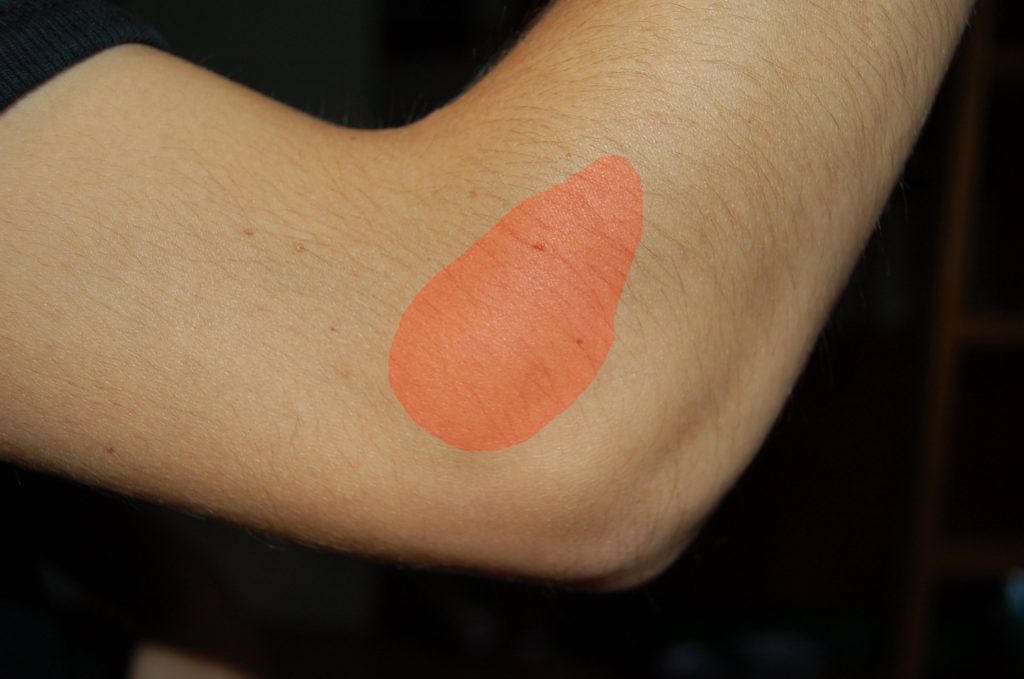
The pain from tennis elbow is felt on the outer side of the elbow and the back of the forearm. Sometimes the pain radiates to the wrist or the back of the hand.
How common is tennis elbow and who gets it?
Tennis elbow affects about 1-3% of people and is more common in manual workers (7%). It also includes those using a keyboard or mouse for many hours per day. This is because tennis elbow is a mainly a problem or repetitive movements and of overuse.
Tennis elbow affects men and women equally. It can affect people of any age but is most common in the 30-50 age group.
Types of work
Professions like chefs, butchers, carpenters, and painters which involve repetitive wrist and arm motions are at a higher risk of tennis elbow. It is also common in people using a keyboard and mouse for many hours per day such as IT workers, secretaries and PAs.
Hobbies
Hobbies like knitting, typing, or playing musical instruments for extended periods can also be culprits.
What are tennis elbow symptoms?
Pain over the outer part of the elbow.
Many describe the sensation as a persistent ache, especially when lifting.
Pain worse with hand gripping or twisting activities of the hand or forearm.
A weakened grip if the problem becomes more severe.
Stiffness when trying to extend or straighten the elbow.
Tennis elbow tests
Tennis elbow can be diagnosed with examination alone in most cases. Doctors commonly use three different tests to diagnose tennis elbow.
Resisted wrist extension test
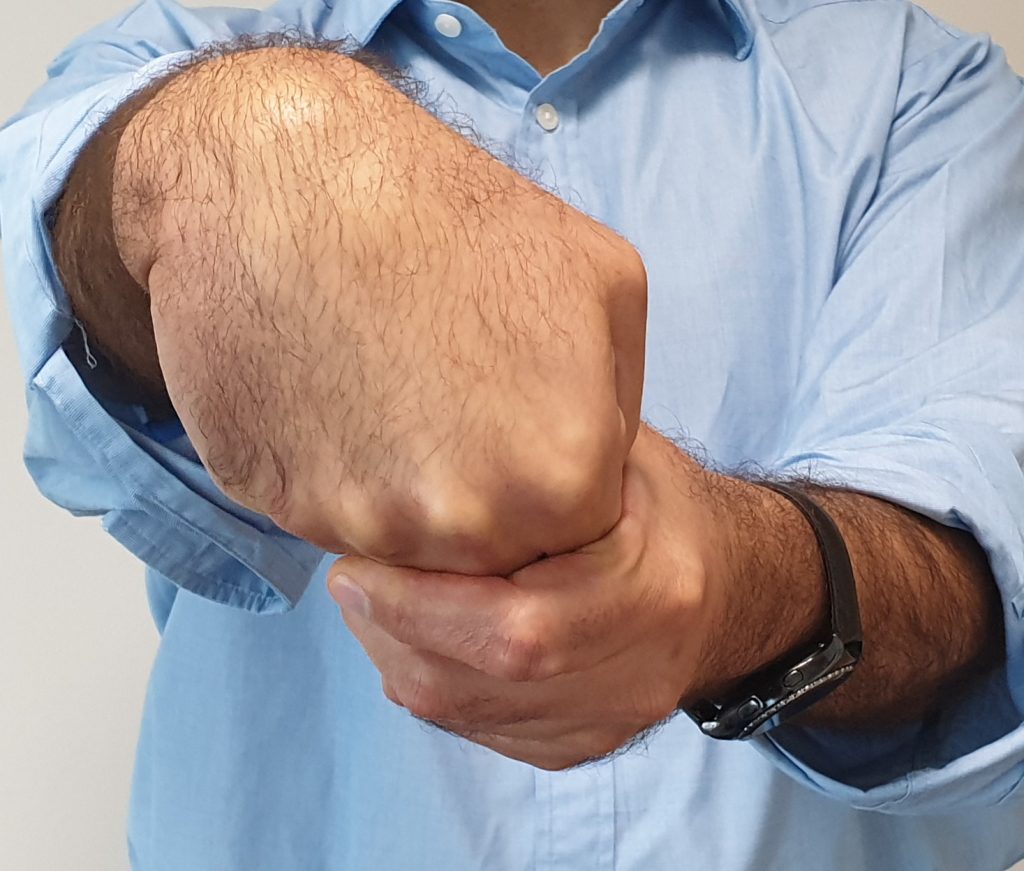
This is meant to reproduce the patient’s pain by activating the muscles and tendons that are affected. The patient is asked to extend their wrist against the doctor’s resistance. Pain or discomfort felt on the outside of the elbow during this test indicatives tennis elbow. You can reproduce this yourself using the chair test in which you try to lift a chair with your arm straight and palm facing downwards. Pain felt around the outside of the elbow whilst you do this suggests that you have tennis elbow.
Pain location
The doctor will press on or around the outside of the elbow, looking for the area of maximum tenderness or pain. This is usually around the lateral epicondyle – the bony bump on the outside of the elbow.
Grip strength
This is usually done by asking the patient to squeeze the doctor’s hands. The affected hand will have a weaker grip than the other side and may reproduce the same tennis elbow pain.
X-rays and scans
can be used to make sure you do not have other causes of pain but cannot confirm a diagnosis of tennis elbow. This is why they are rarely used in such cases.
What causes tennis elbow?
We used to think that tennis elbow was due to inflammation of the . However, we now know that it is mostly to chronic changes that occur over months or years in the tendons and muscles around the elbow. It is due to overuse.
Inflammation might still play a part in the early stages of the problem but is not present by the time tennis elbow becomes painful.
1. Repetitive Movements
Tennis and other racket sports:
The repeated motion and stress of hitting balls can strain the forearm muscles and lead to inflammation. Especially, backhand strokes without proper technique can be a significant contributor.
Manual work
Activities like plumbing, painting, carpentry, or even gardening which require repeated movements or gripping tools for extended periods can lead to the condition.
2. Improper Technique
Sports technique
Using improper techniques, especially while playing racket sports, can cause undue stress on the tendons. For example, hitting a tennis ball with a late backhand.
Using inappropriate equipment:
Utilizing rackets with a too small grip or stringing them too tightly can increase the risk. Using tools with a small a grip can have the same effect.
3. Direct Blow or Trauma
A direct blow to the lateral epicondyle, the outer part of the elbow, can lead to inflammation and pain typical of tennis elbow.
4. Lack of Flexibility or Strength
Weak wrist and forearm muscles may not provide adequate support for the tendons, making them more susceptible to injury. Similarly, lack of flexibility can strain the tendons.
5. Previous Elbow Injuries
If you’ve previously injured your elbow or had an elbow surgery, your chances of developing tennis elbow might be increased, especially if you return to repetitive activities without adequate healing.
How long does tennis elbow take to get better?
Typically, tennis elbow takes a number of months to get better. That is because it takes many months or even years of doing an activity for it to develop in the first place before the pain actually starts.
You may have heard of some amazing weight loss injections and wanted to find out more about them. Ozempic is the brand name for the drug semaglutide which has shown amazing results for weight loss. The other brand name in the UK is Wygovy.
The standard exercise myth is that you will lose weight if you eat less and exercise more. That is true to a certain extent especially if you are eating significantly more than your required calories to begin with. But overall it is recipe for failure. Let us see why calorie counting does not work.
1st Law of thermodynamics
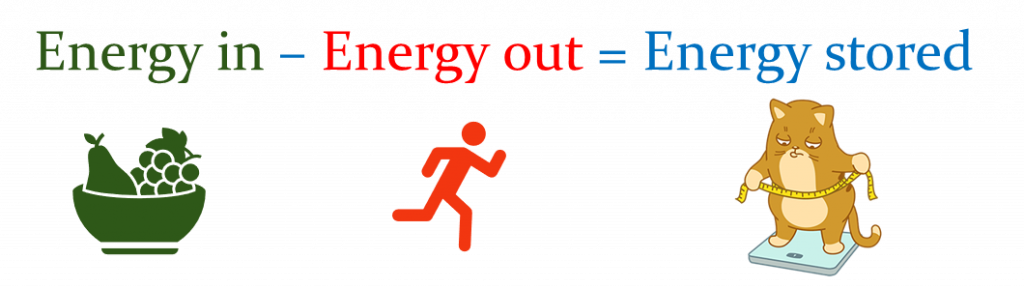
The first law of thermodynamics goes something like this:
Perfectly logical so far. ‘Energy in’ is easy, that is the food and drink that you ingest. ‘Energy out’ is quite a different matter. We think of energy out as exercise; something that is within our control. However, 70% of the energy we use daily is actually our Basal Metabolic Rate (BMR) which is not in our control. The other 30% of the energy we use daily is a combination of passive energy use (walking, fidgeting, cleaning) and active energy use (exercise).
Therefore, most of our energy expenditure is not in our control and is the reason why burning a few hundred calories in the gym makes little difference to our weight. In addition, for the rest of the day your body then tries to conserve energy. Read on and you will discover why it makes even less difference than you think.
What decides our obesity risk?
The popular misconception is that fat people are fat because they are lazy and eat too much. In fact, free will or personal choice only accounts for a small percentage of our weight. The obesity risk is:
Hereditary predisposition (genes): 75%
Free will: 15%
Home environment / parental influence: 10%
That means that our genes account for most of our obesity risk. Everybody has a particular body type that we inherited, but a hundred years ago most people were a normal weight. Sure, people would come in a range of sizes but they would mostly be in the normal weight range. Fast-forward to the modern day and again we have a range of sizes but now two-thirds of people are in the overweight and obese range. The genes have not changed in such a short period of time. The only thing that has changed is our environment, especially our food environment, chronic lack of sleep and increasing stress.
[wpcode id=”1865″]
1st law of thermodynamics is true only for machines
Let us put the energy in and energy out equation to the test.
If we eat 100 kcal more than we need each day (1 banana, or a few plain biscuits, or half a chocolate bar), then after 1 year we would have consumed 365 x 100 = 36,500 kcal extra.
1 Kg of fat = 7,000 kcal
So, we would expect to gain 36,500 divided by 7000 = 5.2 Kg of fat over a 1 year period.
Does that make sense to you? Let me put it another way. If we continue to eat 100 kcal extra for 5 years, then we would gain 26 kg. That is 57.3 lb or 4 stone 1.3 lb. Believe me when I say that does not happen and here is why.
The Vermont Overfeeding Study 1971
Prison volunteers, with the promise of an early release, were overfed in this experiment to reach a 25% increase in their weight over a 3 month period. At the start of the experiment they were eating around 2,200 kcal daily.
The scientists calculated that they would need to feed the prisoners approximately 3,000 – 4,000 kcal daily to help them achieve the 25% weight increase. In fact it took 8,000 – 10,000 kcal per day! Even then, many of the prisoners never managed to achieve the target weight whilst eating such a massive calorie load.
All the subjects returned to their pre-study weigh within 3 months after returning to their previous eating pattern.
A clue to why it took so many calories to achieve the weight gain comes from the observation that the prisoners were hot to the touch. They were literally burning up as their bodies ramped up their Basal Metabolic Rate to try and burn the extra calories. Their metabolic engines were running hot!
The Minnesota Starvation Experiment 1944
Another experiment performed earlier in the last century tried to study how the human body would cope with starvation. The Minnesota Starvation Experiment was performed in conscientious objectors who volunteered to make themselves useful during the Second World War.
The study subjects were fed a calorie-restricted diet of 1,500 kcal daily for 24 weeks. During this time, they lost an average of 25% of their body weight. However, their Basal Metabolic Rate dropped by 50%. Their heartbeat and breathing became slow and they were cool to touch as they had developed low body temperature. They suffered from depression, anxiety, hypochondria, poor concentration, and low libido. Unsurprisingly, they were preoccupied by thinking about food and especially fantasised about high calorie foods. Why would anyone want to this to themselves, but this is what dieters around the world do to themselves every day.
Refeeding of the subjects caused rapid weight gain and overshoot; i.e. they weighed more afterwards than they did to begin with. They lost muscle mass during their weight loss phase but this was never regained. The weight they gained was almost entirely fat.
It is surprising that this study is not more widely publicised. Low calorie diets are harmful. We have known this for more than 70 years. Why are NHS dieticians and diet companies allowed to propagate this disproven method of weight loss?
The weight set point
The two studies above highlight the important principle that the human body is very good at regulating itself, i.e. homeostasis. For example, we do not need to think about regulating the amount of fluid in our bodies. Our thirst mechanism takes care of our fluid intake, and our kidneys remove any excess.
In the same way, our brain has a weight set point which it tries to maintain. This is regulated through our Basal Metabolic Rate. As soon as we start overeating, our BMR speeds up to get rid of the excess. That is why the Vermont study subjects were hot to the touch; their BMR was high. When we reduce our calorie intake to less than we need, then the opposite happens and our BMR immediately slows down to conserve energy. This is why the Minnesota study subjects started feeling cold.
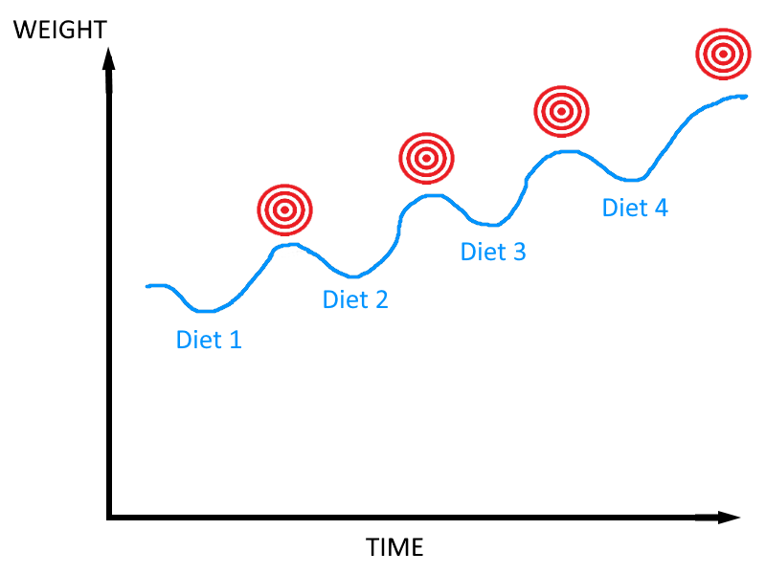
Just like any living organism, the survival instinct is powerful in human beings. Our bodies work hard to maintain homeostasis and try to overcome our efforts to cause imbalance. When we under-eat and lose weight this threatens our survival and our weight then rebounds afterwards. It then settles at a higher weight set point just in case we decide to starve ourselves again. During the weight loss and then weight regain, we lose muscle mass and gain fat. Our BMR, which relies on our muscle mass, then declines and we find it even harder to control our weight in the future.
The result of yo-yo dieting is a progressively higher weight set point and a body composition of more fat and less muscle that makes weight control difficult.
Hormones control our weight
Our weight is controlled, not by calories, but by the interaction of various hormones acting on the weight set point to maintain homeostasis. What disrupts this balance is the obesogenic environment that we live in. When body weight goes over a certain amount then we become insulin and leptin resistant and our brain becomes deaf to the signals that our hormones are trying to give it. We become permanently hungry despite our high intake of calories.
How to normalise weight
The calories in/calories out mantra has been going on so long that people cannot understand how they can possibly lose weight. Calorie restriction involves misery, going against our survival instinct and is unnatural. The best way to normalise weight is to target the weight set point.
That means:
Stop counting calories; not only the ones we eat and drink, but also the calories we burn on the treadmill. Our bodies adjust our BMR immediately to conserve energy if we eat too little or exercise too much.
Start thinking long term and not day-to-day. Any drastic cut in calories or over-exercising will be seen as a threat to your survival and will raise the weight set point for the future. The weight set point will take time to settle at a lower level, typically months or years depending on how much your weight is out of step with your optimal weight. You did not become overweight overnight and you will not reduce your weight overnight.
Eat real food like people used to eat before the processed, high calorie, high sugar, high fat, high salt, and low fibre food revolution came around. Processed food disrupts your normal weight control mechanism. Your body has not evolved to deal with processed food in a healthy way yet.
Sleep 8 hours per day. Lack of sleep increases insulin resistance, increases stress and raises your weight set point.
Reduce stress. The stress hormone cortisol raises the weight set point.
Your body is made to move. Tone your muscles with activities you enjoy (reduces cortisol and increases insulin sensitivity to reduce the weight set point). You do not need to run a marathon.
Some people may be at the point where their metabolism is completely dysfunctional and the will need the help of medication or weight-loss surgery to help them. That typically happens when the BMI goes over 30-35. Their bodies are telling them that they are always hungry despite getting more than adequate calories.
In all cases, it is best to seek the help of a clinician with an interest in obesity in order to get personalised advice and treatment.
No painkillers recommended in NICE guidelines for chronic pain
The NICE guidelines on chronic pain NG193 were published in April 2021 and may have left you scratching your head. That is because they do not recommend any painkillers. That means no paracetamol, NSAIDs (e.g. ibuprofen, naproxen) or opioids (e.g. codeine, morphine).
To understand why, you need to understand the phenomenon of chronic pain and how NICE makes its recommendations.
Chronic pain is any pain that has lasted 3 months or more. It does not include acute pain that lasts hours, days or a few weeks. Therefore you can still take painkillers for your headache and sprained ankle, for example. Pain in these cases is a symptom of the underlying problem and when that heals then you can stop your painkillers. Chronic pain is a much more complicated phenomenon and should be seen as a chronic disease that affects not only a particular body part but the whole person including their nervous system and mood.
NICE makes its recommendations based on hard evidence. That means they found absolutely no scientific evidence that showed painkillers were effective in treating chronic pain. In fact, there were numerous studies showing evidence of harm from painkillers including addiction and deaths from opioids such as morphine.
What did NICE recommend?
NICE recommended the following treatments for chronic pain:
Exercise programmes and physical activity
Psychological therapies such as Cognitive Behavioural Therapy and Acceptance and Commitment Therapy
Antidepressants
Acupuncture
Not much has changed
Since the chronic pain guidelines came out 8 months ago medical practice has not changed. That is not surprising since we are in the middle of a global pandemic and the health service has other more pressing issues. However, the NICE guidelines on chronic pain also lay bare the limitations of the current medical system.
Appointments with doctors are difficult to get and are brief when they do manage to get one. Chronic pain is a complex problem and takes time to solve, not 10 minutes that the government gives for a GP consultation. Painkillers are not allowed so what do doctors do. They are only armed with a prescription pad and an exercise sheet that they can print off for patients. They can prescribe antidepressants but many patients are resistant to this approach as they fear that their doctor thinks it is all in their head.
Physiotherapy waiting times are long and done increasingly by telephone or video that patients do not trust. Patients fear movement because it can make their pain worse so are less likely to engage in it. The result is that they become more disabled and their pain becomes worse.
Specialist appointments are even longer and even less likely to result in any successful treatment. However, specialists do an important job in organising tests and scans that a GP does not have access to in order to rule out serious causes of pain. What they rarely offer is cure which is what patients expect from them.
The psychological services have long waiting times that are even longer now during the pandemic as people try to cope with the psychological consequences. To make matters worse, few psychologists specialise in pain psychology. Numerous pain management services across the UK do not even have a pain psychologist so there is essentially zero access to CBT and ACT that NICE have recommended.
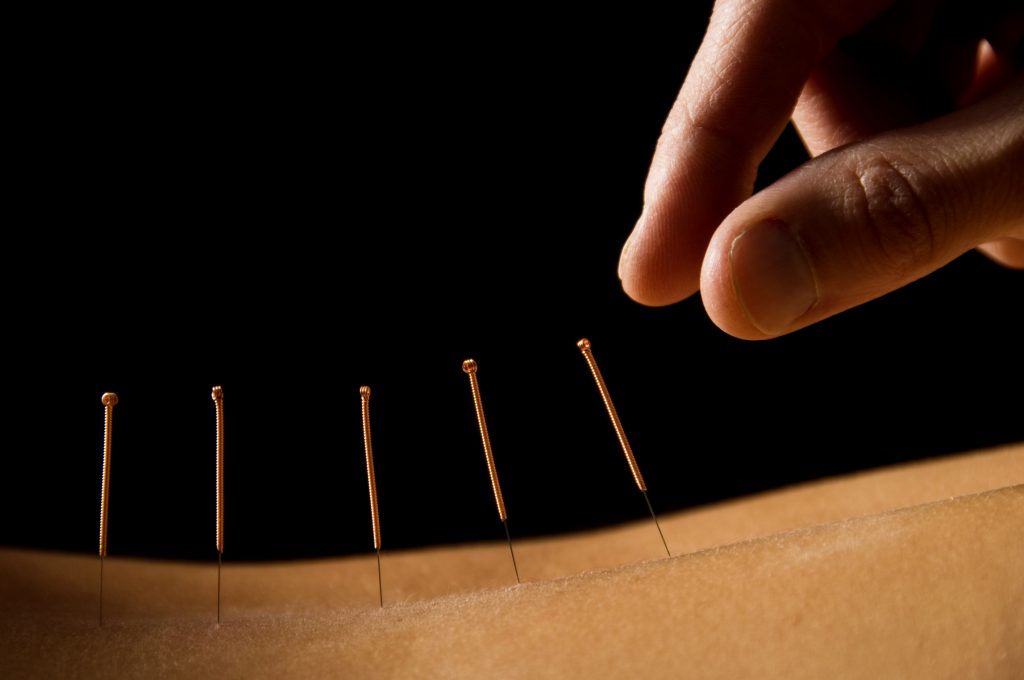
That leaves acupuncture. The majority of medical professionals have a strong bias against acupuncture despite strong evidence of its efficacy. That is despite that fact the NICE applied its same rigor to the evidence base. The medical profession are arrogantly continuing to ignore it despite offering ineffectual, non-evidence based therapies themselves for decades. Even if they do overcome their bias there is no way to offer acupuncture under current NHS provisions. As past President of the British Medical Acupuncture Society I have a bias towards acupuncture, We have done our best to give guidance on how best to introduce acupuncture services in the NHS to commissioners.
Where does that leave patients?
Chronic pain is best treated using a holistic framework instead of a hope of cure by a particular medicine or procedure. Patients should co-ordinate their care from a clinician specialising in pain management. They should avoid all habit-forming drugs which do more long-term harm than good. There are many facets of a person’s life that contribute to them suffering from chronic pain and these should each be addressed. Take a look at this video:
Around 10% of people have a slow recovery from COVID-19 infection that lasts longer than 3 weeks (UK COVID symptom study). Most people will recover within 12 weeks. People who do not recover within this time-frame may have Long COVID if their symptoms are not explained by another illness.
The likelihood of developing long COVID is not linked to any particular symptoms, the severity of the initial illness or if hospital admission was needed. The symptoms of long COVID can affect any part of your body and can change over time.
What causes long COVID?
The short answer is that we do not know what causes long COVID to occur. We do know that similar symptoms have been found in patients suffering from other coronaviruses such as SARS and MERS.
There are likely to be a number of causes of long COVID rather than just one in particular. These include a persistently high viral load, inflammatory or immune reactions, physical weakness and psychological factors such as PTSD.
For people who continue to suffer symptoms, the NHS has a great website to advise on symptom management.
What are the symptoms of long COVID?
General non-specific symptoms
Tiredness
Fever
Pain
Fatigue
Tiredness can occur after any severe infection as the body recovers. For example post-viral fatigue is fairly common.
The tiredness in long COVID can be severe and be similar to that in Chronic Fatigue Syndrome and ME (Myalgic Encephalitis).
Psychological symptoms
Anxiety
Low mood
Depression
Poor sleep
PTSD occurs in a minority of people, often healthcare workers.
Persistent chest symptoms
Persistent cough
Breathlessness
Blood clots
Having a COVID-19 infection increases the risk of blood clots. This might present with breathing difficulties, chest pain, or palpitations.
Heart symptoms
20% of people admitted with COVID-19 have obvious heart involvement, but probably a greater proportion have undetected heart involvement. Symptoms include:
ENT: tinnitus, earache, sore throat, dizziness, loss of taste/smell
Skin rashes
Which symptoms need urgent attention?
You should seek urgent medical attention if they have the following symptoms:
shortness of breath
chest pain
severe psychological distress or ideas of self-harm
severely ill child
What should you do if you suspect you have long COVID?
You should seek medical advice and discuss the nature of your symptoms with the doctor. The first thing of course is that you should have a history of having COVID-19 infection, or have had symptoms that were suspicious of a COVID-19 infection.
Long COVID is a diagnosis of exclusion. That means that other serious medical problems should be excluded before assuming that the cause is long COVID.
A relevant examination should be done according to the symptoms and may include the pulse, blood pressure and oxygen levels. Tests may also be useful to make a diagnosis and can include blood and urine tests, chest x-ray and ECG.
Take home message
Symptoms of long COVID can affect virtually any part of the body or more than one body part at a time. The condition my fluctuate and last for long periods of time.
We are just beginning to see these cases for the first time and therefore have limited experience of what treatments might work. Most of the evidence currently comes from consensus of medical professionals or individual cases that they have seen.
Long COVID is a diagnosis of exclusion so other medical problems need to searched for. You should not automatically assume that your symptoms are due to long COVID as they may be due to another problem. That is why it is important to discuss the problem with an experienced medical professional and why a number of tests may have to be done to arrive at a diagnosis.
Social media currently abounds with ‘useful’ information about medication and supplements that will protect you against COVID-19. Much of this is hearsay and downright wishful thinking. Prime example is President Trump taking hydroxychloroquine as preventative medicine. I hope he does not come into any mischief as have so many in recent studies.
How about vitamin D?
Interest in vitamin D is has been sparked via two main channels. First of all, people are now looking with interest at a meta-analysis (good quality evidence) published in the British Medical Journal in 2017. This included 25 studies with a total of over 11,000 participants. It showed that vitamin D supplements were safe and that they protected against respiratory infections. COVID-19 causes respiratory symptoms and hence the increased interest in this study nowadays.
The second observation is that people from black, Asian, and minority ethnic (BAME) backgrounds have a greater rate of COVID-19 infection and death rate compared to white Caucasians. People from ethnic backgrounds represent 14% of the UK population but 34% of COVID-19 patients. Death rate in British Black Africans and British Pakistanis is 2.5 times that of the white population. If we look at NHS staff, then those from BAME backgrounds represent 64% of deaths despite only making up 20% of the NHS workforce. Among doctors, the death rate in Blacks and Asians is an astounding 94% of the total number.
These inequalities in COVID-19 infection and death rate have been thought to be due to greater health problems in ethnic minorities. There is also an increased incidence of poverty, and they tend to live in larger, extended families. However, that does not entirely explain the disparity in rates of death among doctors. This is why vitamin D levels have become so interesting.
Researchers from the United States have found that patients from countries with high death rates such as Italy, Spain and the UK, had lower vitamin D levels than those not so severely affected. Another study also showed that average vitamin D levels in countries were strongly related to COVID-19 cases and death rate.
What does NICE say?
As always the National Institute of Health and Clinical Excellence prefers to side with hard evidence. In December 2020 they came out with rapid guidance advising people in the UK to continue to supplement with vitamin D in the Autumn and Winter months. However, they also said that there was not currently enough evidence to support taking vitamin D solely for the prevention and treatment of COVID-19.
The problem with this guidance is that we do not have the luxury of waiting until all the evidence is collected. People continue to suffer severe COVID-19 infections, become hospitalised, die or have prolonged suffering from long-COVID. We should be acting on the evidence we have so far even if it is not the gold standard randomised controlled trials. Vitamin D is cheap, has no adverse effects in standard doses and is good for bone health. There is little or no harm from taking it and potentially great benefit.
What’s the verdict?
My opinion is that we should all be taking vitamin D supplements based on the evidence we have so far. This is especially important for high risk groups such as those with BAME backgrounds and key workers. Standard doses for adults of 1000 IU are available over the counter, and higher doses of 4000 IU are available online. Since I have multiple risk factors for severe COVID-19 including being a doctor with an Asian background, I am taking the higher dose of 4000 IU per day.
Taking vitamin D supplements does NOT mean that we should avoid taking the COVID-19 vaccine. We should also continue to follow standard advice regarding hand hygiene, face coverings and social distancing,
The results of further studies on COVID-19 and the role of vitamin D should be released later this year. These should make matters clearer once and for all. Until then, I would err on the side of caution and take supplements.